
Microsoft Entra Just Got Better: Soft Deletion for Security Groups & M365 Groups
Microsoft Entra Just Got Better: Soft Deletion for Security Groups & M365 Groups Read More »
Cloud Networking Fundamentals: Cloud networking is a core part of cloud computing. It allows cloud resources, applications, and users to communicate securely over the internet and private networks. Understanding networking is essential for anyone pursuing a career in cloud engineering. ⸻ 1. What Is Cloud Networking? Cloud networking refers to the use of networking components
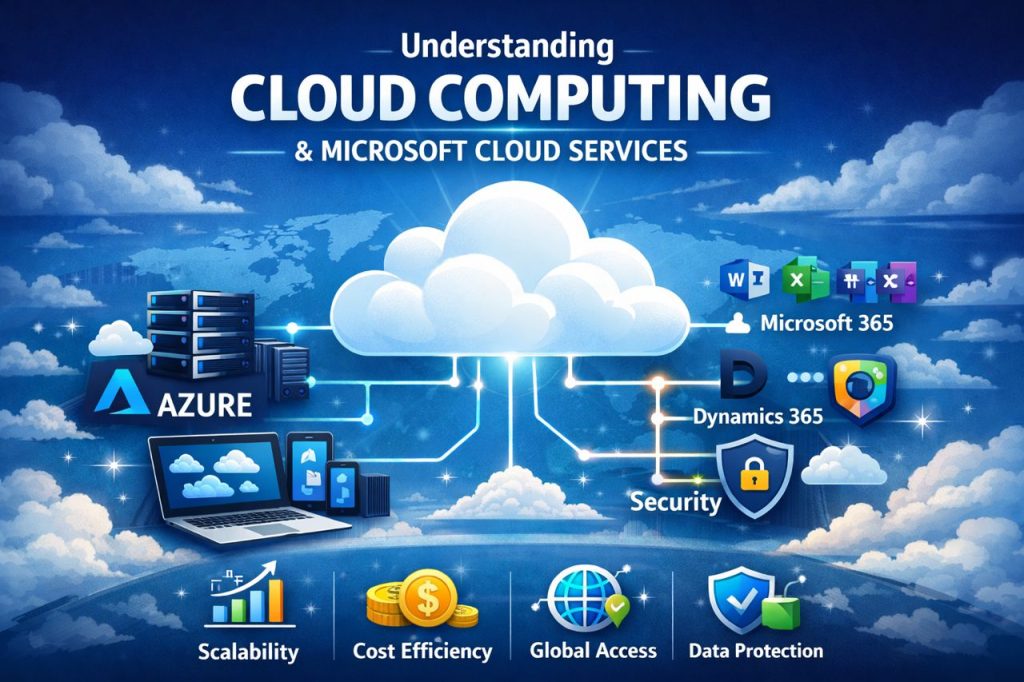
Cloud Security & Compliance: As cloud adoption grows, security becomes one of the most critical aspects of cloud computing. In this part, we explore how cloud environments remain secure and compliant. 1. Shared Responsibility Model: One of the most important concepts in cloud computing. •The cloud provider (such as Microsoft Azure, AWS, or Google Cloud)
Introduction to Microsoft Cloud In Part 3, we learned about cloud service models—IaaS, PaaS, and SaaS—and how they describe how cloud services are delivered. Now it’s time to look at a real-world cloud provider and understand how everything fits together. In this post, I’ll introduce Microsoft Cloud, explain what it is, and show how its
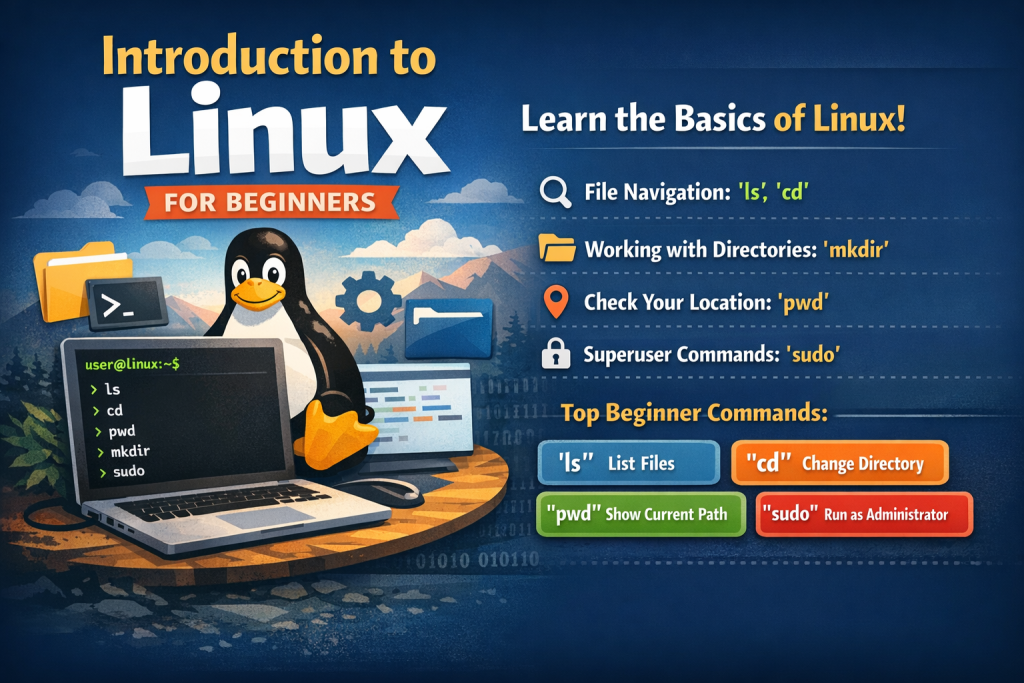
Linux is one of the most powerful and widely used operating systems in the world. From servers and supercomputers to smartphones and cloud platforms, Linux plays a crucial role in modern technology. This guide introduces Linux from the very beginning and walks you through essential commands every beginner should know. What Is Linux? Linux is
Introduction to Linux: A Beginner’s Guide with Essential Commands Read More »
Cloud Service Models (IaaS, PaaS, and SaaS) In Part 2, we explored the different types of cloud computing: public, private, and hybrid clouds. Now that we know where cloud services can run, the next step is understanding how cloud services are provided. These are called cloud service models, and there are three main ones: •Infrastructure
Types of Cloud Computing (Public, Private, and Hybrid) In Part 1, we looked at what cloud computing is and why it matters. Now that we understand the basics, the next step is learning about the different types of cloud computing. These types are also known as cloud deployment models. This post breaks them down in